











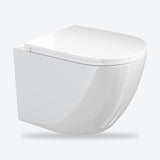








A replacement toilet seat must fit the specific ceramic pan and its fixings. A similar shape or the same brand name is not enough. First find the model or article number, then add photos and measurements. This allows a seat to be checked for compatibility before you choose the material, colour and soft-close function.
Identify the toilet first
Check existing documentation and visible markings on the ceramic pan, seat or hinges. Note the numbers separately: the old seat's number may differ from that of the ceramic pan. Both help with an enquiry. A logo alone identifies neither the range nor the version.
If there is no model designation, photograph the toilet with the seat raised from the front, at an angle and vertically from above. Add a close-up of the fixings. Manufacturer identification tools can use these to suggest models within their range. However, a photo or suggestion does not prove that a similar-looking seat from another manufacturer will fit.
Which measurements does a replacement seat need?
| Detail | What to record | What matters |
|---|---|---|
| Length | Overall length of the ceramic pan and distance from the fixing axis to the front edge. | Compare reference points with the replacement seat drawing; not every length measurement describes the same distance. |
| Width | Width at the widest point, with a photo of the outline from above. | The external shape is part of the dimensional comparison: round, oval or D-shaped alone does not identify the model. |
| Fixing centres | Distance between the centres of the two fixing holes. | Check against the specified adjustment range of the particular hinges. |
| Fixing type | Photo of the hinges and details of whether the fixings are accessible from underneath. | A matching hole spacing does not yet confirm the right fixing system. |
Note the measurements with their units and photograph the measuring rule in position. Then compare the technical drawing with the toilet. The seat's support points and outline must also match the ceramic pan. If details conflict, clarify the model identification rather than forcing the hinges to fit.
Distinguish soft-close from a removal function
A soft-close mechanism cushions the closing of the seat or lid. A removal function, on the other hand, makes removal for cleaning easier. These functions are not identical and, depending on the version, may be present separately or together. Check them in the product description of the selected seat.
Duroplast, thermoplastic or a particular colour are also selection features, rather than proof of compatibility. Decide on these only after the ceramic pan, dimensions and fixings have been matched. A shower toilet seat with a water or electrical connection is a separate technical selection and cannot be confirmed solely with this replacement-seat checklist.
Clarify the scope of supply and spare parts before enquiring
- Is the complete seat with lid supplied, or only an individual part?
- Are suitable hinges, fixing screws and support buffers included?
- Which article number replaces the existing seat?
- Are existing fixing parts reused, or does this version require a new set?
- Which functions and colour does this exact variant have?
A loose seat does not necessarily need complete replacement. Photograph the affected hinge or fixing and describe the fault. Whether an individual spare part is available depends on the specific model; we do not promise general ongoing availability.
Use these details for your enquiry
Send us the ceramic pan and seat numbers, measurements, photos from above and of the fixings, and your preferences for colour and functions. If any detail is unknown, mark it as unresolved. Use Contact to make a specific spare-part enquiry. Price, availability and timing are confirmed for the article actually identified; Collection and enquiry explains the process.